


The Language of Becoming: Take-Away Resources
QCF Conference 2026 - Portland Oregon
Thank you for being part of this breakout session
Coming out and identity formation are not one-time events — they are dynamic, relational, and deeply personal processes that unfold across time, context, and relationship.
The resources below are offered as gentle companions to the themes we explored together: attunement to self, safety in relationship, the limits and power of language, and the sacred work of becoming.
Take what resonates. Leave what doesn’t. You are allowed to move at your own pace.
Section 1: Grounding & Felt Sense (Body-Based Support)
Staying Connected to Yourself
Before identity becomes language, it lives in the body. These practices support grounding, nervous-system regulation, and self-attunement.
Gentle places to begin:
Trauma-informed mindfulness practices
Choose practices that emphasize choice, pacing, and returning to the body without forcing calm. (Somatic or consent-based mindfulness approaches are often more supportive than silent meditation for trauma survivors.)Simple example: Feel your body where it is supported — the chair, the floor, or your feet — and let your attention rest there for a few breaths. There’s no right experience to have; you can stop or shift focus at any point. You might experiment with small movements — pressing your feet into the floor, adjusting your posture, or placing a hand where it feels supportive. Let your body guide what comes next.
Felt-sense journaling
Brief, reflective writing that begins with “What do I notice in my body right now?” rather than analysis or problem-solving can also help.Orienting practices
Simple grounding tools such as noticing your surroundings, temperature, or physical support can help re-establish safety before deeper reflection.
If you’ve experienced religious, familial, or cultural trauma, body-based practices can be especially supportive — and it’s okay to go slowly.
Section 2: Identity, Language & Meaning
Identity, Language, and Relationship
Identity is complex. Language helps us communicate — but it can never fully contain who we are. These resources explore identity as layered, evolving, and relational.
Invitations for further reflection:
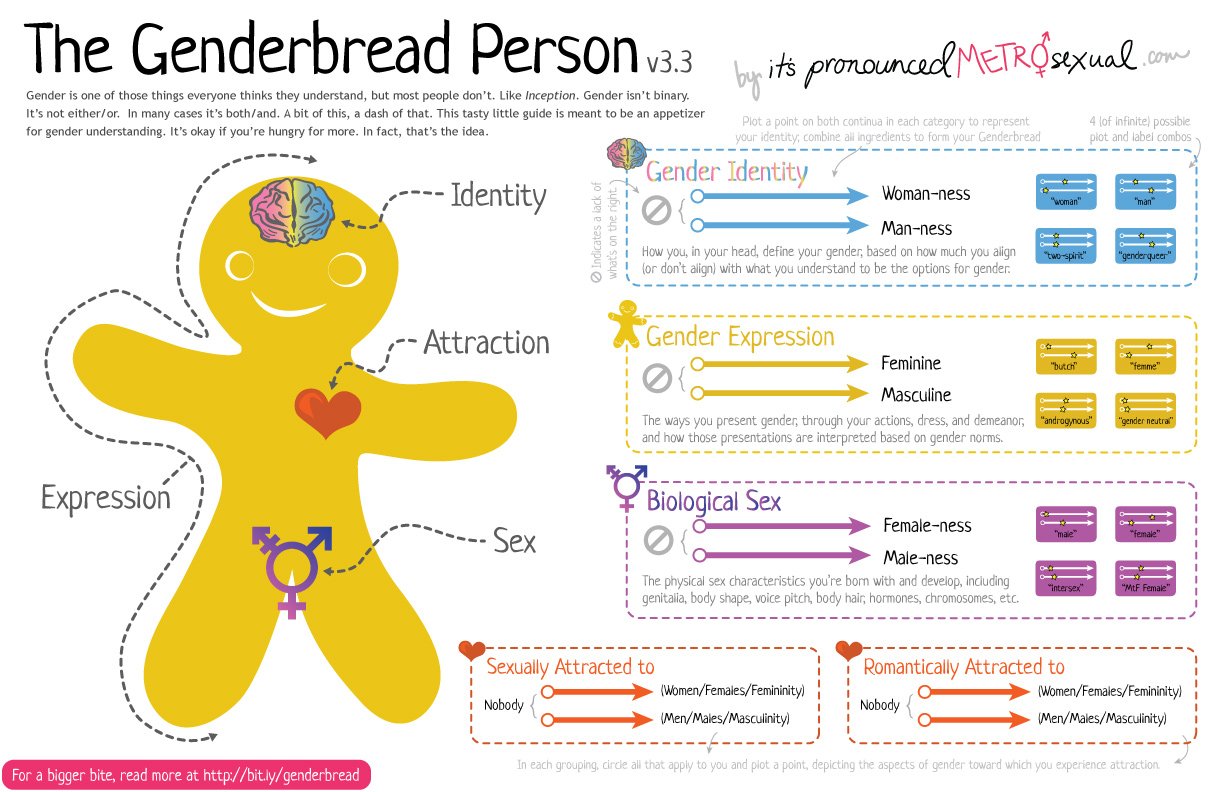
Identity as continuum, not category
Confusion does not mean you are doing this wrong.
Section 3: Safety, Privacy & Coming Out
Safety Determines Disclosure
You are not required to be fully visible in every space.
And for many people, privacy — when it is available — can be a form of discernment rather than deception.At the same time, not all identities are afforded the same access to privacy. Some people are visible in ways that cannot be hidden, chosen, or delayed — and that reality shapes risk, safety, and how coming out is experienced.
What matters most is not whether someone is private or visible, but whether they are supported, resourced, and treated with dignity in the contexts they must navigate.
Reflective invitation:
What kind of spiritual relationship feels life-giving now — even if it looks nothing like what I was taught?
Section 4: Spiritual Resilience & Sacred Belonging
Spirituality, Healing, and Belonging
For many LGBTQ+ people, spirituality has been both a source of harm and a source of longing. Reclaiming spiritual life — or redefining it entirely — can be part of healing.
Supportive resources to explore:
The Christian Closet is a good mental health resource, but not the only resource for mental health care.
Remember explore practices that emphasize non-dominating, consent-based spirituality
Invitations to reconnect with meaning, joy, and sacredness on your own terms
You do not owe any institution access to your inner life.
If You’d Like to Continue Exploring with us:
If today’s workshop stirred questions, curiosity, or a desire for deeper support:
Eric: You’re welcome to explore the rest of my website.
My work focuses on helping people attune to themselves, navigate complex and evolving identities, and heal in ways that feel grounded, ethical, and compassionate. I specialize in working with LGBTQ+ adults, particularly those shaped by anxiety, trauma, and religious or cultural harm.
If you are located in New York State or Connecticut, I am licensed to offer therapy to clients in those states.
There is no obligation — just an open door.
Carrie: You’re welcome to explore Carrie’s work at NorthFeather Coaching.
Carrie’s work focuses on supporting individuals and groups through reflection, growth, and adaptive change, with particular attention to identity, resilience, and relational awareness. They offer coaching and facilitation that helps people stay connected to themselves while navigating complexity — personally, professionally, and within systems — in ways that are thoughtful, creative, and humane.
Carrie offers 1:1 coaching, group learning experiences, and organizational consulting for those seeking clarity, alignment, and meaningful change.